The Ultimate Guide to Dual-Band vs. Tri-Band Routers for Canadian Homes in 2025
Why Router Choice Matters More Than Ever
In 2025, the average Canadian household connects over 25 smart devices, from laptops and smart TVs to voice assistants and security cameras. With the rise of Wi-Fi 6 and 6E technology, choosing between a Dual-Band or Tri-Band router has become a critical decision for ensuring speed, coverage and stability. Whether you’re streaming 4K content, gaming online or running a home office, the right router can make all the difference.
Understanding Dual-Band Routers
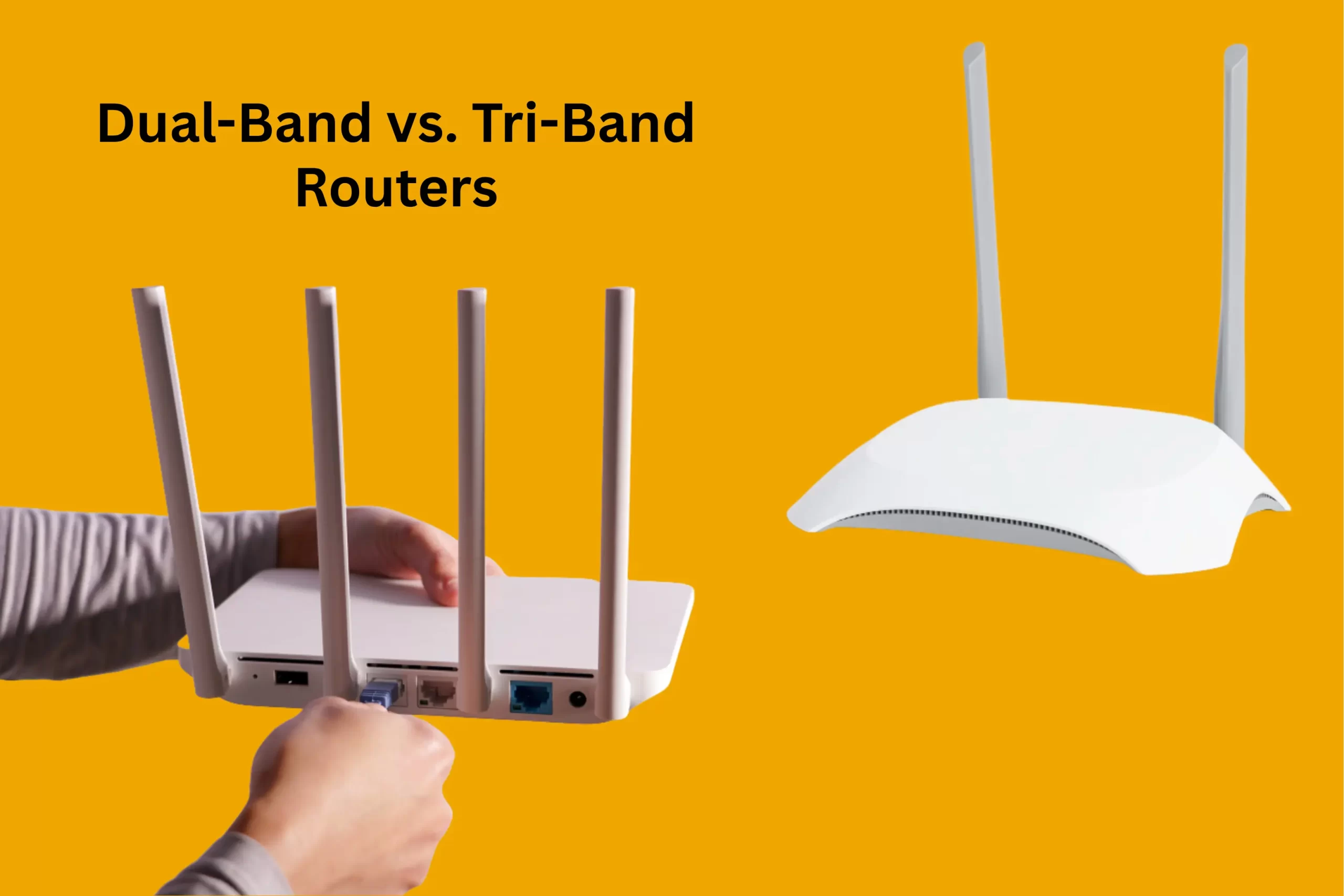
A Dual-Band router operates on two frequencies: 2.4 GHz and 5 GHz.
- 2.4 GHz offers longer range and better wall penetration, ideal for basic tasks like browsing and smart-home controls.
- 5 GHz delivers faster speeds with less interference, perfect for high-bandwidth activities like streaming and online gaming.
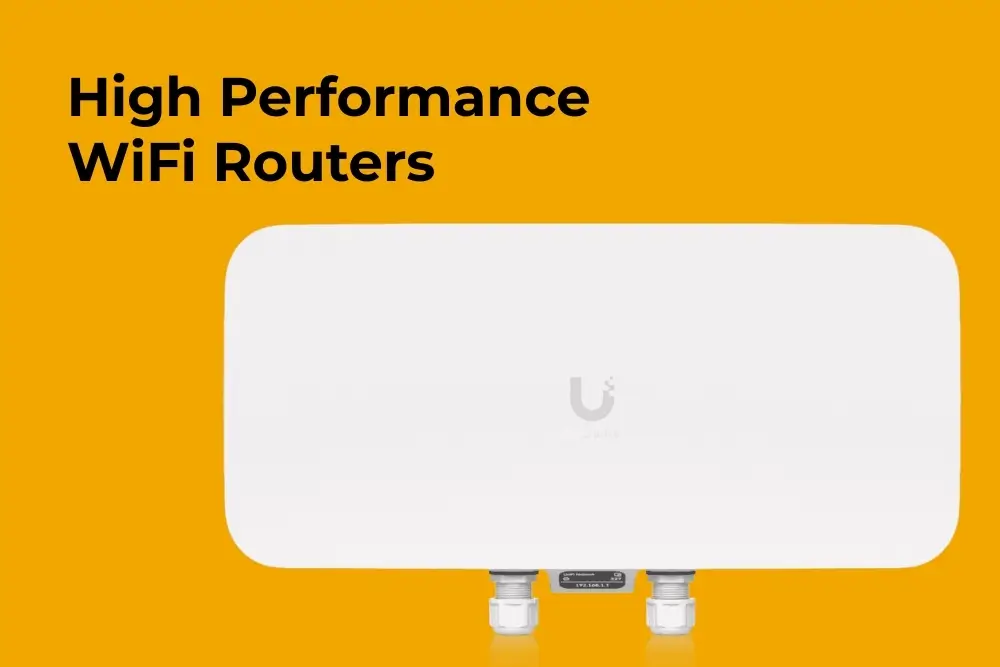
Dual-Band routers are cost-effective and suitable for small to medium-sized homes. For most families with standard internet usage, a premium Dual-Band router, like the UniFi Dream Router, provides an excellent balance of performance and reliability.
What Makes Tri-Band Routers Different?
A Tri-Band router includes an extra 5 GHz or 6 GHz band. This allows more devices to connect simultaneously without slowing down your network.
Think of it like adding an extra lane on a busy highway. The additional band reduces congestion and keeps connections stable, even during peak usage. Tri-Band routers are particularly beneficial for:
- Smart homes with 20+ connected devices
- Large families or multi-user households
- Gamers and 4K streamers who need consistent, high-speed performance
The UniFi Dream Machine SE or AmpliFi Alien Router are excellent Tri-Band options that combine speed, advanced security and cloud-based management, ideal for power users and growing smart homes in Canada.
Dual-Band vs. Tri-Band: Which Should You Choose?
| Feature | Dual-Band Router | Tri-Band Router |
| Frequency Bands | 2.4 GHz + 5 GHz | 2.4 GHz + 5 GHz + 5/6 GHz |
| Ideal For | Small to medium homes | Large homes, multi-device setups |
| Cost | More affordable | Higher investment |
| Performance | Strong, balanced | Superior for heavy use |
| Future-Readiness | Good | Excellent |
If you’re upgrading your home network or planning to integrate smart-home devices, a Tri-Band router is a future-proof investment. However, if your household has limited users and devices, a Dual-Band router still offers great value.
Conclusion: Power Your Network with the Right Router
In 2025, investing in the right router isn’t just about speed, it’s about stability, scalability and smarter connectivity. Whether you choose a Dual-Band or Tri-Band router, focus on future-ready devices with Wi-Fi 6/6E compatibility, cloud management and strong cybersecurity features.
Explore cutting-edge networking hardware from Dezinic Solutions, Canada’s trusted source for routers, switches and smart-home technology designed to keep your digital life connected and secure.
If you have any questions regarding “Dual-Band vs. Tri-Band Routers”, feel free to contact via email at order@dezinicsolutions.com or call us at (647) 707-6109.
Disclaimer: Above information is subject to change and represent the views of the author. It is shared for educational purposes only. Readers are advised to use their own judgement and seek specific professional advice before making any decision. Dezinic Solutions is not liable for any actions taken by reader based on the information shared in this article. You may consult with us before using this information for any purpose.